Optimising Product Pages for Scottish Online Shops

Why Product Pages Determine Search Visibility
A product page is not a catalogue entry. For any Scottish online shop, it is a standalone landing page that must earn its own position in Google's results. Each page competes individually, which means a shop with 300 products has 300 opportunities to rank, or 300 pages dragging down crawl budget if they are thin and repetitive.
Search engines evaluate product pages on relevance, authority, and technical quality. Getting the basics right on a product page is the highest-return SEO task available to most e-commerce businesses, because conversions and rankings improve together when the work is done properly.
Conducting Keyword Research for Scottish E-Commerce
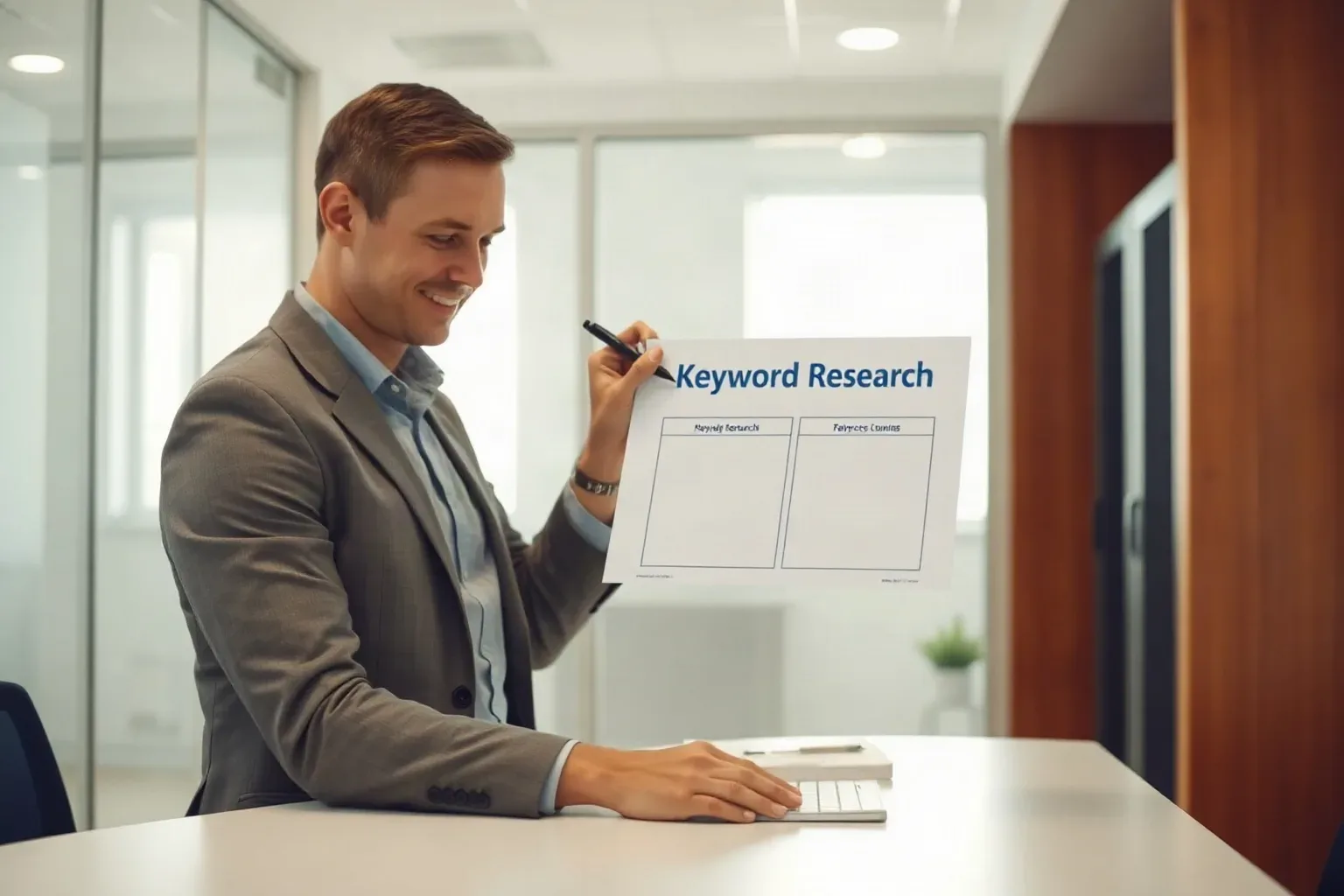
Product page SEO for a Scottish online shop starts with understanding how local and national buyers actually phrase their searches. A whisky retailer in Edinburgh targeting "single malt Scotch whisky gift set" will face different competition than one targeting "whisky hamper Scotland". The second phrase is lower competition and signals purchase intent more clearly.
Free tools such as Google Search Console and Google Keyword Planner reveal real query data. Paid tools like Ahrefs or Semrush provide volume estimates and difficulty scores that make prioritisation faster. Aim for a primary keyword with clear transactional intent, plus two or three supporting phrases that cover natural variations.
Using Scottish Geographic Modifiers
Geographic modifiers are useful where buyers expect local delivery or Scottish provenance matters to them. Phrases like "handmade Scottish jewellery", "Scottish wool throws online", or "artisan cheese Scotland" carry both a regional signal and a product signal. If your brand or supply chain is genuinely Scottish, lean into that; it differentiates you from generic UK retailers and supports authenticity claims that convert browsers into buyers.
Avoid forcing a location modifier onto every product page. A shop selling generic electronics from Glasgow does not benefit from tagging each product with "Scotland". Reserve geographic language for products where origin or delivery context is genuinely relevant.

Writing Product Titles and H1 Tags That Rank
The product title should contain the primary keyword and be specific enough to match high-intent searches. "Harris Tweed Laptop Bag - Hand-Woven, 15-Inch" performs better than "Tweed Bag" both for search matching and for click-through rates in the results page. Include the material, the key feature, and the size or variant where space allows.
Your H1 on the page should match or closely mirror your title tag. Inconsistency between the two can dilute relevance signals. Keep the H1 under 70 characters where possible, and place the primary keyword as early in the phrase as the sentence naturally allows.
Writing Descriptions That Convert and Rank
Thin descriptions are one of the most common weaknesses in Scottish e-commerce stores. A two-sentence block copied from a supplier sheet gives search engines almost nothing to index and gives buyers almost no reason to trust you over a competitor.
Aim for 150–300 words of original copy per product. Cover the material or ingredients, the dimensions or quantities, the use case, and the outcome the buyer can expect. A Scottish skincare brand selling a 50ml rosehip face oil, for example, should explain the sourcing, the skin types it suits, the application method, and the visible result over four to eight weeks. That specificity builds trust and targets long-tail search queries simultaneously.
Structured Data and Rich Results
Adding Product schema markup (JSON-LD format) to each product page enables Google to display price, availability, and review stars directly in the search results. These rich results consistently improve click-through rates. Most Shopify and WooCommerce themes include basic schema, but verify it using Google's Rich Results Test tool, because theme implementations are frequently incomplete.
At minimum, your schema should include: name, description, image, price, currency, availability, and SKU. If you collect reviews through a platform like Trustpilot or Judge.me, connect the aggregateRating property to surface star ratings in search results.

Optimising Images for Search and Speed
Product images are indexed separately and appear in Google Images, which drives genuine purchase-intent traffic. File names should describe the product, not carry a camera default like "IMG_4072.jpg". A file named "scottish-cashmere-scarf-camel-plain.jpg" contains three useful signals.
Alt text should describe what the image shows, concisely and accurately, including a keyword where it reads naturally. Compress images to under 150KB using a tool like Squoosh or ShortPixel without visibly degrading quality. On mobile connections, which now account for over 60% of UK e-commerce traffic, page load speed directly affects both bounce rate and Google's Core Web Vitals scores.
Core Web Vitals and Scottish Shoppers on Mobile
Scotland has rural areas with slower mobile broadband, particularly in Highland and Island postcodes. A product page that loads in under two seconds on a 4G connection will retain buyers that a four-second page loses. Prioritise Largest Contentful Paint (LCP) by loading the hero product image as a priority resource and deferring any non-critical JavaScript.
Google's PageSpeed Insights gives a free, actionable report for any URL. An LCP under 2.5 seconds and a Cumulative Layout Shift (CLS) score below 0.1 are the thresholds to target.
Internal Linking and Category Structure
Each product page should receive at least one internal link from a relevant category or collection page. This transfers page authority downward through the site and makes individual product pages easier to discover by crawlers. A Scottish outdoor equipment retailer might link from a "Waterproof Jackets" category page to each jacket product, then cross-link related products within the descriptions themselves.
Avoid orphan pages, which are product pages with no inbound internal links. They receive little crawl attention and almost no organic traffic. A simple audit in Screaming Frog or Ahrefs Site Audit will surface orphaned URLs across your entire catalogue.
Managing Duplicate Content Across Variants
Product variants, such as size, colour, or material options, frequently generate duplicate or near-duplicate URLs. A kilt in eight tartans should not produce eight separate pages with near-identical descriptions. The cleanest solution is canonical tags pointing variant URLs back to the primary product page.
Alternatively, consolidate variants under a single URL and use JavaScript to swap displayed options. Discuss the correct implementation with your developer before changing URL structures on live pages, since incorrect canonical handling can remove ranking pages from the index.
Building Page Authority Through Reviews and Trust Signals
Customer reviews add unique, keyword-rich content to a product page without any effort from your team after the collection system is set up. A tartan scarf page with 40 reviews will naturally accumulate phrases like "beautiful Scottish wool", "perfect for winter in Edinburgh", and "fast delivery to Inverness", all of which reinforce topical relevance. Enable review collection as early as possible, because authority accumulates slowly.
Trust signals, including accreditations, payment security badges, and clear return policies, reduce bounce rate on arrival. Buyers who trust the page stay longer, and dwell time is a proxy signal for quality that search engines observe indirectly through click behaviour.

Frequently Asked Questions
How Long Should Product Descriptions Be for SEO on a Scottish Online Shop?
Aim for 150–300 words of original copy per product page. That length gives search engines enough content to index accurately and gives buyers enough detail to make a purchase decision, without padding the page with irrelevant text.
Do Scottish Geographic Keywords Actually Help Product Page Rankings?
They help when provenance or local delivery genuinely matters to the buyer, such as for handmade Scottish crafts, food and drink, or textiles. Forcing a location modifier onto unrelated products, like generic electronics, adds no ranking benefit and can make copy read awkwardly.
What Is the Most Important Schema Markup to Add to Product Pages?
Product schema with name, description, image, price, currency, and availability fields is the minimum. Adding aggregateRating when you have customer reviews enables star ratings in Google search results, which typically increases click-through rate noticeably.
How Do I Handle Duplicate Content Caused by Product Variants Like Sizes and Colours?
Use canonical tags to point variant URLs back to the primary product URL, or consolidate all variants under a single URL with JavaScript handling the display switch. Either approach prevents Google from indexing near-identical pages, which would split ranking signals and reduce the authority of the main listing.
How Quickly Can Product Page SEO Improvements Affect Rankings?
For an existing page with some crawl history, meaningful ranking movements can appear within four to twelve weeks of substantive changes, such as rewritten descriptions and added schema. New pages on newer domains can take three to six months before stable rankings emerge, depending on the site's overall authority.